
What is a Pocket Bully? The Complete Guide for Dog Lovers
In the diverse and wonderful world of canine companions, few breeds have captured the hearts of urban dwellers and families quite like the Pocket Bully. As the name suggests, this is a more compact version of the well-known American Bully, packaged into a small, muscular, and incredibly affectionate frame. But what exactly defines this modern breed? Is it simply a smaller Pit Bull? And what should a potential owner know before welcoming one of these charismatic dogs into their home?
This comprehensive guide is designed to answer all your questions. We will delve into the origin of the Pocket Bully, break down its defining physical characteristics, explore its often-misunderstood temperament, and outline the essential care requirements for keeping one of these dogs healthy and happy. Whether you’re simply curious or seriously considering adding one to your family, this post will provide the professional insight you need.
The Origin and History of the Pocket Bully
To understand the Pocket Bully, one must first look at its parent breed, the American Bully. Developed primarily in the 1990s and 2000s in the United States, the American Bully was created by crossing various bulldog-type breeds, including the American Pit Bull Terrier, American Staffordshire Terrier, English Bulldog, and Olde English Bulldogge. The goal was not to create a working dog, but rather an ideal family companion—a dog with the confidence and loyalty of its ancestors, but with a more docile, stable, and people-oriented temperament.
The Pocket Bully emerged as a specific size variation within the American Bully breed. Breeders selectively chose the most compact dogs from their litters and bred them together, aiming to solidify the “pocket” size while maintaining the classic “bully” structure and friendly demeanor.

Key points to understand about their origin:
-
A Recognized Variety, Not a Separate Breed: Major kennel clubs like the United Kennel Club (UKC) and the American Bully Kennel Club (ABKC) recognize the Pocket Bully as a specific size variant of the American Bully, not as a distinct breed unto itself.
-
Purpose-Bred for Companionship: Unlike some of its ancestors who were bred for hunting or farm work, the Pocket Bully was developed with a singular purpose: to be a loyal, loving, and manageable family pet. This foundational intention is crucial to understanding their temperament.
-
A Modern “Designer” Dog: The Pocket Bully is a relatively new and human-made variety. This means their genetic lineage is less established than that of ancient breeds, which has implications for their health and conformation, a topic we will cover later.
Defining the Pocket Bully: Physical Characteristics and Size
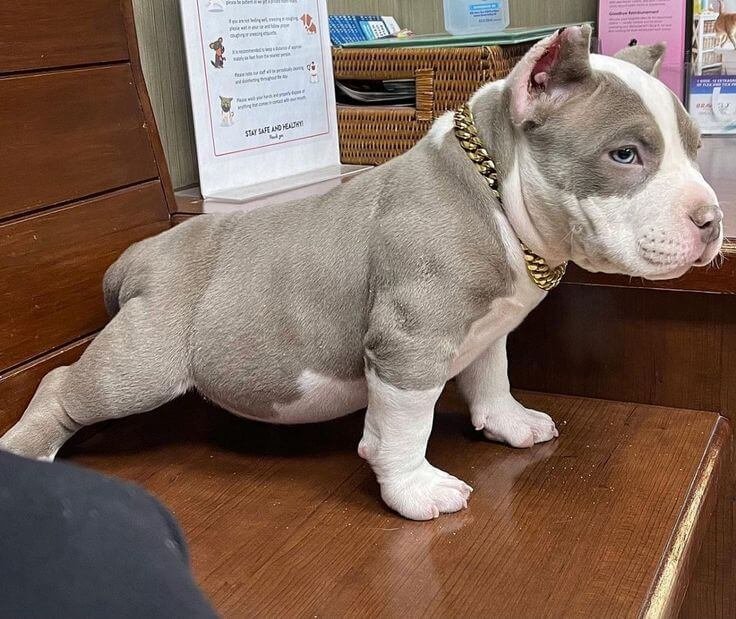
The most striking feature of the Pocket Bully is its appearance. They are the epitome of “a lot of dog in a small package.” They possess the exaggerated, muscular build of the American Bully but on a significantly smaller frame.
The official standard, as defined by the ABKC, specifies that a male Pocket Bully must be under 17 inches in height at the withers (the shoulder), and a female must be under 16 inches. Despite this short stature, they are Pocket Bullies For Sale exceptionally stocky and heavy for their size, often weighing between 30 and 60 pounds.
Here are the hallmark physical traits of a well-bred Pocket Bully:
-
Compact and Muscular Build: They have a broad, deep chest, a thick, powerful neck, and well-defined muscles across their entire body. Their legs are stout and solid, contributing to their low-to-the-ground, “bullier” appearance.
-
Blocky Head: A defining feature is their large, broad, and blocky head, which can seem almost disproportionate to their body size. They have a short, broad muzzle and pronounced cheek muscles.
-
Short, Stiff Coat: Their coat is short, glossy, and stiff to the touch. It lies close to the body and comes in a vast array of colors and patterns, including brindle, fawn, blue, tri-color, and more.
-
Low-Set Tail and Ears: Their tail is typically short, low-set, and tapers to a point. While their ears were historically cropped, the modern trend and preference in many circles is for natural, uncropped ears that are rose-shaped or semi-prick.
It is essential to distinguish the Pocket Bully from other similar-looking breeds. They are not a miniature Pit Bull. While they share ancestry, the American Pit Bull Terrier is a leaner, more athletic breed with a different temperament profile and breed standard. The Pocket Bully is a distinct type, bred specifically for its compact, exaggerated build and companionable nature.
The Pocket Bully Temperament: Debunking the Myths
This is, without a doubt, the most important section for any potential owner. The temperament of the Pocket Bully stands in stark contrast to the intimidating reputation often unfairly assigned to “bully breeds.”
Bred explicitly for companionship, a well-bred Pocket Bully is characterized by its stable, friendly, and outgoing nature. They are known for being incredibly affectionate with their families, often earning the nickname “velcro dogs” because of their desire to be physically close to their owners at all times.
Let’s break down the key aspects of their personality:
-
Extremely People-Oriented and Affectionate: Pocket Bullies thrive on human interaction. They form deep bonds with all members of their family, including children, and often seek out physical contact, whether it’s leaning against you, sitting on your lap (despite their stocky build!), or cuddling on the sofa.
-
Generally Good with Children: Their patience and tolerance make them excellent companions for families. However, as with any dog, interactions with young children should always be supervised. Their sturdy build means they can accidentally knock over a small child during play, so teaching both the dog and the child respectful boundaries is crucial.
-
Confident and Stable: A properly socialized Pocket Bully carries itself with a calm confidence. They are not typically nervous, skittish, or anxious, which contributes to their predictable and reliable behavior in the home.
-
Potential for Dog Selectivity: This is a critical point for owners to understand. While they are not human-aggressive, some Pocket Bullies can be dog-selective or same-sex aggressive. This is a trait carried down from their terrier ancestry. Early, ongoing, and positive socialization with other dogs is non-negotiable to manage this tendency. They may not be the best fit for dog parks.
-
Eager to Please: Despite a sometimes stubborn streak, Pocket Bullies are intelligent and highly motivated by their owner’s praise. This makes them quite trainable using positive reinforcement methods.
Caring for Your Pocket Bully: Health, Exercise, and Nutrition
Owning a Pocket Bully is a rewarding experience, but it comes with specific responsibilities. Their unique physical structure requires a dedicated approach to their health and wellness.
Health Considerations:
Due to their brachycephalic (short-faced) nature and heavily muscular build, Pocket Bullies are prone to certain health issues. Responsible breeding is paramount to minimizing these risks.
-
Brachycephalic Obstructive Airway Syndrome (BOAS): Their short snouts can lead to breathing difficulties, especially in hot or humid weather. Avoid strenuous exercise in the heat and watch for signs of respiratory distress.
-
Joint Problems: Their compact, heavy frame puts significant stress on their joints. Hip and elbow dysplasia are common concerns. Maintaining a healthy weight is one of the most important things you can do to prevent this.
-
Skin Allergies and Infections: Their short coat and skin folds can be prone to allergies, infections, and irritations. Regular grooming and cleaning of their skin folds is necessary.
-
Cherry Eye: This condition, where the gland under the third eyelid protrudes, is seen in some bulldog-type breeds.
Exercise and Training Needs:
Pocket Bullies have a moderate energy level. They are not hyperactive, but they do require daily exercise to stay fit and prevent boredom.
-
Daily Routine: A couple of short to moderate walks each day, combined with some active playtime in a securely fenced yard, is usually sufficient.
-
Mental Stimulation: They are intelligent dogs who need mental challenges. Use puzzle toys, obedience training sessions, and scent games to keep their minds sharp.
-
Positive Reinforcement Training: They respond exceptionally well to reward-based training using treats, toys, and praise. Harsh methods will damage your bond and are counterproductive. Early socialization and puppy training classes are highly recommended.
Nutritional Requirements:
Feeding a high-quality, balanced diet is essential.
-
Choose a diet formulated for medium-sized, muscular breeds.
-
Be vigilant about portion control to prevent obesity, which can exacerbate their potential joint and breathing issues.
-
Consult your veterinarian to determine the best food and feeding schedule for your individual dog’s age, weight, and activity level.
Conclusion: Is a Pocket Bully the Right Dog for You?
The Pocket Bully is a captivating breed that combines a tough exterior with a heart of gold. They are loyal, affectionate, and deeply devoted companions who ask for little more than to be included as a member of the family. Their manageable size makes them suitable for various living situations, including apartments, provided their exercise needs are met.
However, they are not a low-maintenance breed. Their potential health issues require a proactive and committed owner who is prepared for possible veterinary expenses. Their need for early socialization and training demands time and consistency. And their people-oriented nature means they do not do well when left alone for long hours.
If you are seeking a sturdy, loving, and charismatic companion and are prepared to invest in their health, training, and well-being, a Pocket Bully could be a wonderfully rewarding addition to your life. The key, as always, is to do your research and seek out a reputable breeder who prioritizes health, temperament, and adherence to the breed standard above all else. By choosing responsibly, you welcome not just a pet, but a loyal and unforgettable member of your family.
