
Can a Pocket Bully Give Birth Naturally? A Guide to Whelping and Reproductive Health
The image of a mother dog naturally giving birth to a healthy litter is a powerful one. For breeders and owners of American Pocket Bullies, this process, known as whelping, is often met with a specific and critical question: Can a Pocket Bully give birth naturally?
The answer is not a simple yes or no. While natural birth (vaginal delivery) is biologically possible, the unique physical conformation of the Pocket Bully makes them a high-risk breed for dystocia—difficult or obstructed labor. The decision between natural whelping and a planned Cesarean section (C-section) is one of the most important a breeder will make, with the health of both the dam (mother) and her puppies hanging in the balance. m Pocket Bully for sale
This article will provide a comprehensive, professional overview of Pocket Bully reproduction. We will delve into the anatomical challenges that complicate natural birth, identify the risk factors that increase these challenges, and outline the clear signs that veterinary intervention is necessary. Our goal is to equip responsible owners and breeders with the knowledge to prioritize the welfare of their dogs throughout the pregnancy and whelping process.
The Anatomical Challenge: Why Natural Birth is Difficult
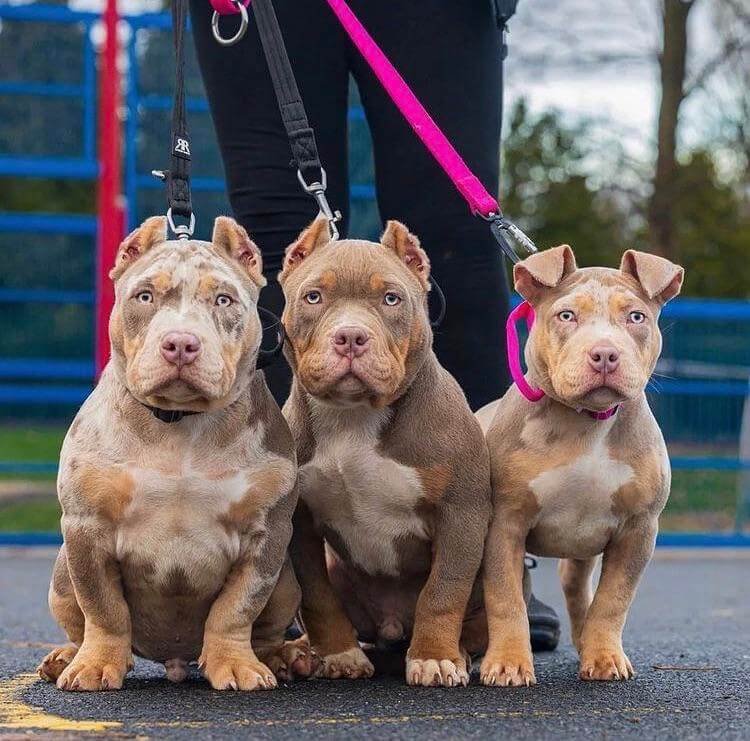
The very traits that define the Pocket Bully’s sought-after appearance are the same ones that create significant obstacles during whelping. Selective breeding for a specific structure has, often unintentionally, made natural reproduction a challenge.
Key anatomical factors contributing to dystocia include:
-
The Broad Puppy Head and Shoulders: Pocket Bully puppies are typically bred to have wide, blocky heads and broad, muscular shoulders. This desirable “bully” shape is difficult to pass through a narrow birth canal. In many cases, the puppy’s head or shoulders can become lodged, leading to a life-threatening obstruction for both the puppy and the dam.
-
The Dam’s Narrow Pelvic Inlet: To achieve the compact, “pocket-sized” stature, breeders have selected for dogs with a smaller and narrower pelvic structure. This creates a fundamental mismatch: large, broad puppies are trying to navigate a small, narrow birth canal. This disproportion is the primary cause of obstructive dystocia in the breed.
-
The Dam’s Body Condition: Pocket Bullies are heavily muscled, and significant muscle mass around the birth canal can further reduce the space available for a puppy to pass through. A dam in extremely heavy muscle condition may have a more difficult labor than one in lean, athletic condition.
-
Uterine Inertia: This is a condition where the uterus fails to contract strongly enough to expel the puppies. It can be primary (the contractions never start properly) or secondary (the contractions stop due to exhaustion from trying to push a lodged puppy through the canal). The physical strain of pushing against an obstruction often leads to secondary inertia.
Because of these inherent anatomical challenges, many experienced Pocket Bully breeders and veterinarians operate under the assumption that a C-section will be necessary. Planning for this outcome is not a sign of failure but a hallmark of responsible, welfare-focused breeding.
Risk Factors: When a C-Section Becomes More Likely
While any Pocket Bully pregnancy is considered high-risk, certain factors can significantly increase the probability that a natural birth will be unsuccessful. Being aware of these factors allows a breeder to plan accordingly and consult with their veterinarian well in advance of the due date.
Factors that increase the likelihood of a required C-section:
-
The Dam’s First Litter (Primipara): A first-time mother is statistically more likely to experience dystocia. Her body has never been through the process before, and her birth canal may be less flexible.
-
Small Litter Size: A singleton (only one puppy) pregnancy is a major risk factor. The single puppy often grows larger than average due to less competition for nutrients in the womb, making it too big to pass through the canal naturally. Furthermore, a single puppy may not produce enough hormonal stimulation to initiate strong, effective labor.
-
Large Litter Size: Conversely, a very large litter can over-stretch the uterus, leading to primary uterine inertia, where the uterine muscles are too fatigued to contract effectively.
-
History of Previous Dystocia: If a dam has had a difficult labor or a required C-section in the past, she is very likely to require the same intervention in subsequent pregnancies.
-
Advanced Age of the Dam: Older females may have reduced uterine tone and overall stamina, increasing the risk of complications.
-
Breeding Extreme Conformation: Dams with exceptionally large heads, very narrow hips, or extremely compact bodies are at the highest risk. Breeding for more moderate, functional conformation can slightly improve the chances of natural whelping, though the risk remains.
A responsible breeder will discuss all these factors with their veterinarian during pre-natal check-ups, which often include x-rays (to count puppies and assess their size relative to the pelvic canal) and ultrasound scans (to check puppy viability).
The Whelping Process: Signs of Natural Labor vs. Distress
Even if a natural birth is being attempted, it must be closely supervised by a prepared and knowledgeable breeder. Understanding the normal stages of labor and the clear signs of distress is critical for knowing when to seek immediate veterinary help.
Stages of Normal Labor:
-
Stage One: Restlessness and Nesting. The dam will appear restless, pant, shiver, and seek out her whelping area. This stage can last 6-12 hours as the cervix dilates. She may refuse food and may vomit.
-
Stage Two: Active Pushing and Delivery. This stage involves strong, visible abdominal contractions. The water bag for each puppy will appear and break. A puppy should be delivered within 30-60 minutes of the start of strong, active straining. There is typically a 15-minute to 2-hour break between subsequent puppies.
Critical Red Flags Requiring Immediate Veterinary Intervention:
-
No Puppy After 30-60 Minutes of Strong Contractions: This is the most significant sign of an obstruction. Do not wait longer than an hour.
-
Weak, Ineffective Straining for Over 2 Hours: The dam appears to be trying but is not making progress, indicating uterine inertia.
-
A Puppy or Fluid-Filled Sac Stuck in the Birth Canal for Over 10 Minutes: The dam may be unable to pass it on her own.
-
Prolonged Pregnancy: Gestation is typically 63 days. If the dam goes beyond 65 days without showing signs of labor, consult your vet.
-
Signs of Extreme Maternal Distress: This includes excessive crying, pale gums, collapse, or bloody discharge before any puppies are born.
-
A Green Discharge Before a Puppy is Born: This indicates placental separation, and the puppy is likely in distress.
-
More Than a 4-Hour Gap Between Puppies Without Contractions: This can signal that the labor has stopped, and puppies remain inside.
Time is of the essence in these situations. Having an emergency plan and your veterinarian’s contact information readily available is non-negotiable.
The Planned C-Section: A Responsible Choice for Welfare
Given the high risks, many ethical breeders opt for a planned or elective C-section. This is a scheduled surgical procedure performed by a veterinarian before the dam goes into natural labor. It is not a “cop-out” but a proactive decision made in the best interest of the dog and her puppies.
Benefits of a Planned C-Section:
-
Eliminates the Risk of Obstructed Labor: It entirely bypasses the anatomical challenges of a narrow pelvis and broad puppy heads, preventing the suffering and potential death associated with dystocia.
-
Reduces Stress for the Dam: It avoids the exhaustion and pain of a prolonged, difficult labor.
-
Allows for Controlled Timing and Preparation: The breeder and veterinary team can be fully prepared, ensuring a calm, sterile, and efficient environment.
-
Can Improve Puppy Survival Rates: In high-risk breeds, planned C-sections can result in higher live birth rates by preventing puppy death from oxygen deprivation during a stuck birth.
Considerations for a Planned C-Section:
-
Cost: It is a significant financial investment, involving surgical fees, anesthesia, and hospital stay.
-
Recovery for the Dam: The mother will need a recovery period and may be slower to bond with her puppies initially due to anesthesia and post-operative pain. However, with proper pain management, most dams mother their puppies excellently once they are alert.
-
Timing is Crucial: The veterinarian must time the surgery correctly, typically around 63 days post-ovulation, to ensure the puppies are fully developed but the dam has not gone into natural labor.
Conclusion: Prioritizing Health Over Ideology
So, can a Pocket Bully give birth naturally? The possibility exists, but the probability of complications is high enough that it should be considered the exception, not the expectation. The unique physiology of the breed, shaped by selective breeding for specific traits, has made natural whelping a significant challenge.
The most responsible approach for any Pocket Bully owner or breeder is to work closely with a veterinarian from the very beginning of the pregnancy. Through pre-breeding health checks, pre-natal monitoring, and frank discussions about the high likelihood of dystocia, a clear and safe whelping plan can be established.
Choosing a planned C-section, when recommended by a veterinarian, is a decision rooted in science and compassion. It prioritizes the welfare of the dam and her puppies over an idealized notion of “natural” birth. In the world of responsible Pocket Bully breeding, the ultimate goal is not a specific method of delivery, but a healthy mother and a thriving, healthy litter. This outcome is the true mark of success, regardless of the path taken to achieve it.
